Concrete sidewalk building in Redondo Beach CA - a walk that sheds water and grips
Sidewalk cracked, lifted or slick when wet? We pour a new one that sheds water, grips underfoot and has joints that steer cracks.
What goes into building a new concrete sidewalk?
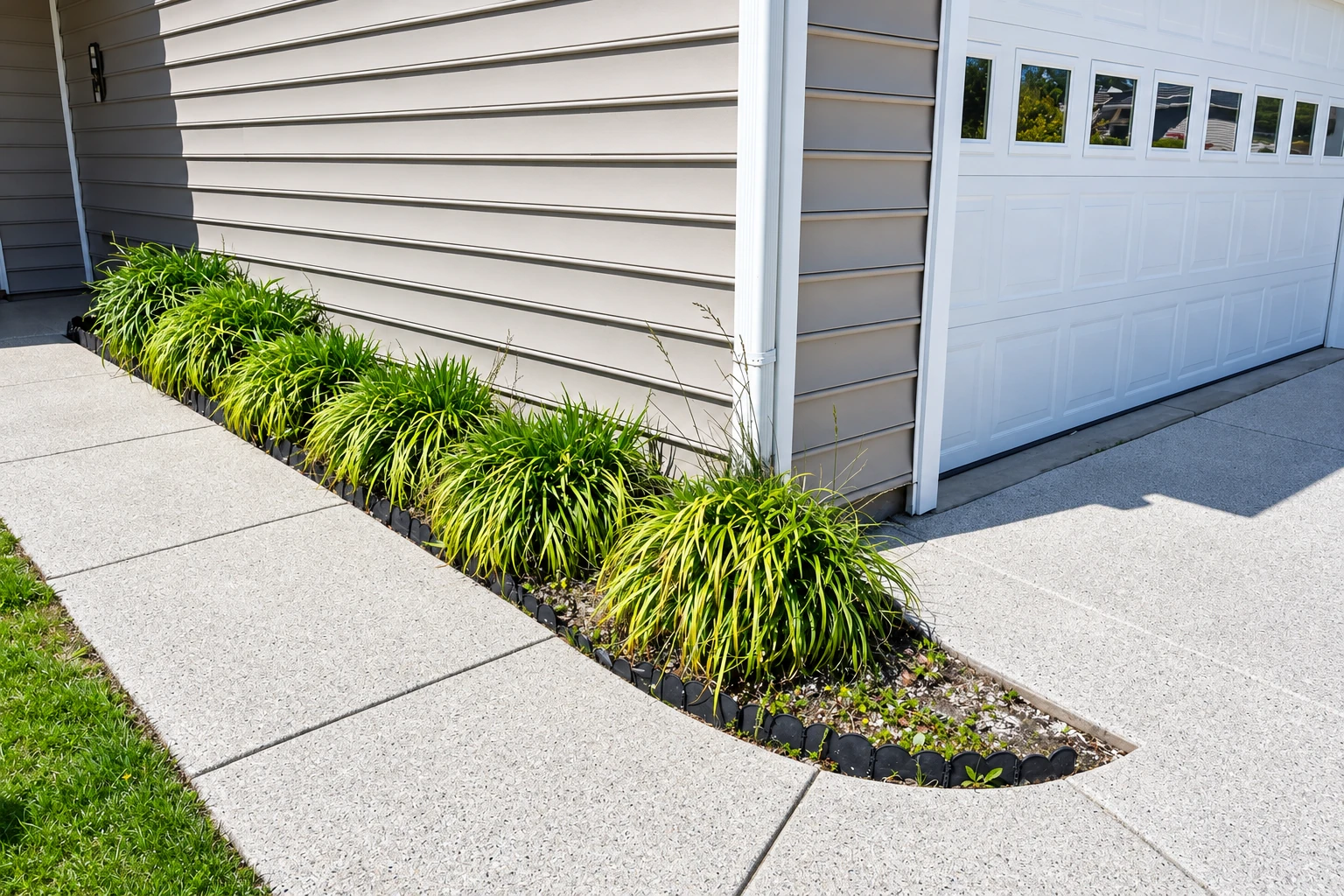
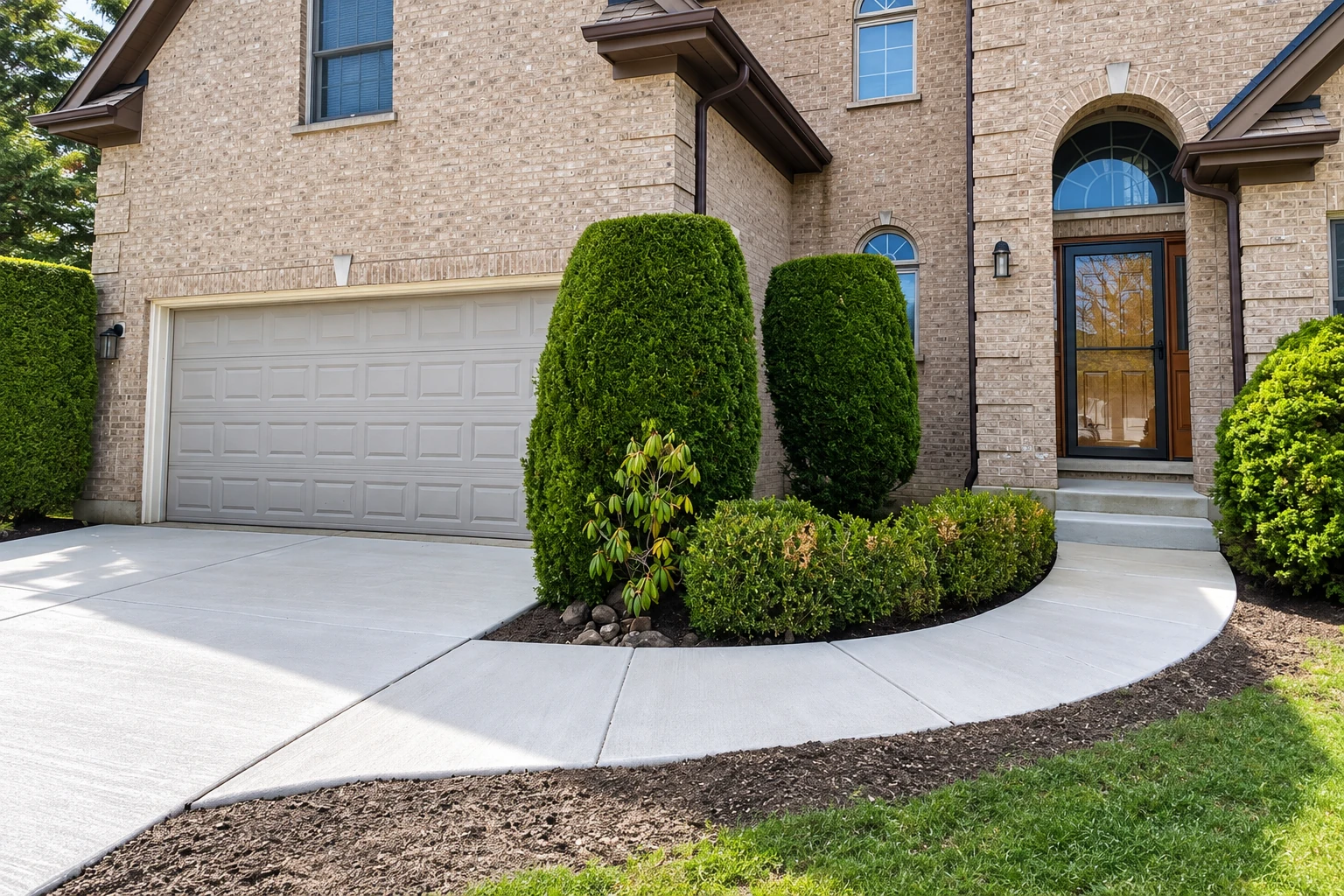
Concrete sidewalk building in Redondo Beach means forming, pouring and finishing a new walk on ground we've dug out and packed, with the slab sloped to carry water away and a broom texture so it isn't slick when wet. You end up with a walk that drains, grips and has joints placed to steer the cracks every slab gets.
Most calls start with a walk that's cracked, lifted at a seam or slick after the sprinklers run, and by then a new slab usually makes more sense than another patch. The price moves with the length and width of the walk, how much old concrete has to come out and get hauled off, how much digging the ground needs, how close we can get the truck and which finish you pick. The schedule turns on whether the walk needs a permit, the weather on pour day and the curing wait, which is the time new concrete needs to gain strength before you put weight on it. I walk the job, measure it and write down what's included, so you see your own number before anything starts.
How we build a concrete sidewalk
First thing I ask is whether the walk sits on your lot or in the public right of way, since that decides which city office we deal with. Then we break out the old walk, dig down to firm ground and pack the subgrade, the soil and base the slab sits on, because a walk poured on loose dirt settles right along with it. We set the forms so the slab falls away from your house and carries water off, and we place rebar or mesh where the job calls for it, since that steel holds the pieces together if a crack opens. We pour early in the day rather than in the midday heat, which can leave a weak, dusty top later on. Once the surface is floated smooth, we drag a broom across it so it grips when it's wet, then cut the joints along the lines we marked out before the pour, let the slab cure and clean up.
Sidewalk jobs often touch other work. If the walk ends at a garage with a cracked or uneven slab, we can look at garage floor concrete while we're there and plan both pours together. If you'd rather have color, exposed stone or a stamped pattern than a plain broom finish, that's decorative concrete, and it takes a lot more care and a crew with real experience in it, so we talk it through before you choose.
Coarse broom texture
A coarse broom leaves deeper ridges, so it suits walks with a grade, walks that step down to the street and spots that stay wet from sprinklers. It gives the most grip, but it's rougher on bare feet and holds a little more dirt.
Fine broom texture
A fine broom leaves a lighter texture that's easier to sweep and kinder underfoot, so it suits flat front walks and side paths that dry out quickly. It still grips when wet, just not as much as a coarse finish does.
Concrete sidewalk permits and ground in Redondo Beach
Where your walk sits decides the paperwork for concrete sidewalk building in Redondo Beach. A sidewalk in the public right of way needs an Engineering Permit from the city's Engineering Division, which handles permits for work in the public way. Homeowners keeping up the parkway don't need that permit, but the city lists sidewalks in the right of way with the work that does. For a walk inside your lot line, the city's Building Division is the office to ask, since it handles permits, plan review and inspections on private property. Before any permit to dig is valid, the state requires a Dig Alert ID number, which comes from calling 800-422-4133, and we get it before we excavate. If your job needs a permit, we tell you up front, check with the right office before we start and take care of the paperwork.
Many of the walks we tear out here are older ones, with sections lifted by parkway tree roots or sunk where the ground underneath gave way. Sprinklers and damp coastal mornings keep a lot of walks wet, so we put grip ahead of looks. We see the same jobs in Hermosa Beach and Torrance, and we build them the same way.
Sidewalk and flatwork examples
Why call us for a sidewalk
I measure it and pour it
I come out to look at your walk myself, and I work alongside our crew on the day we build it. The person who measured your job and heard what you wanted is the one standing over the forms.
Learned on city sidewalk crews
I learned concrete on a city public works crew pouring sidewalks, curbs and driveway aprons, and I started this business in Redondo Beach in 2023. That work taught me the ground under a walk decides how well it holds up, so prep is where we spend our time.
Licensed, insured, right classification
We're licensed and insured. California's C-8 concrete classification is the one that covers forming, pouring and finishing flatwork, the slabs you walk and drive on, so it's the one to ask any crew about.
If the budget's tight, I'd keep the money in the base and go simpler on the finish, because a nice surface on loose ground won't stay level. Call (424) 402-3940 or send us the details to set up a visit.
(424) 402-3940Get a written estimate for your sidewalk
We reply within one business day to set a time, and I come out to walk the sidewalk, measure it and write down what's included. The estimate is free, and there's no obligation to go ahead.
Sidewalk questions from Redondo Beach homeowners
Do I need a permit to build a sidewalk in Redondo Beach?
Yes, a sidewalk in the public right of way needs an Engineering Permit from the city. For a walk inside your lot line, the city's Building Division is the office to ask, and we check with them before we start. Mention where the walk sits when you call so we can sort it out early.
How much does a concrete sidewalk cost in Redondo Beach?
In the Los Angeles area, a concrete sidewalk usually costs about $3.50 to $8.50 per square foot. Where yours lands depends on how much old concrete comes out, how much work the ground needs, access for the truck and the finish you choose. I measure on site and write down what's included so you have your own number.
How do I keep a concrete sidewalk from being slippery when wet?
Give it a broom finish, a texture pushed into the surface right after it's floated so shoes have something to grip. You can choose a coarse or fine broom, and coarse gives more grip on slopes and damp spots. The slab is also sloped so water runs off instead of sitting on it.
Why does a concrete sidewalk have joints cut into it?
Joints are planned weak lines, so when the concrete cracks, it cracks there instead of across the middle of a section. They can be tooled into fresh concrete or sawed once it's hard enough. I lay them out before the pour so they land where they should.
What causes a new sidewalk to crack like the old one did?
Usually it's a base that was raked level instead of dug out and packed, or joints that were cut late or skipped. All concrete cracks some, and I'd rather tell you that straight. What we control is a packed base so the slab doesn't settle, and joints placed so the cracks follow lines we chose.
Should I repair cracks in my sidewalk or replace the whole walk?
An industry guide says cracks should be repaired to keep the surface sound and to keep water from getting through to the ground under the slab. If sections have lifted or sunk, replacing them usually makes more sense than patching. I'll tell you which your walk needs when I come out.
Plan your sidewalk, permit and pour with one crew
Call (424) 402-3940 with the walk's length and width, and whether it runs along the street, so we can sort out permits early.